
 English
 Español
 Pусский
 العربية
all terrain quadruped robot
All-Terrain Quadruped Robot: Design and Capabilities An all-terrain quadruped robot is a highly versatile robotic platform designed to navigate complex and unpredictable environments with agility and stability. Inspired by the biomechanics of four-legged animals, these robots leverage advanced locomotion algorithms, robust mechanical design, and adaptive control systems to traverse challenging terrains such as rocky slopes, muddy paths, stairs, and uneven surfaces. Mechanical Design and Locomotion The robot’s structure typically consists of four articulated legs, each equipped with multiple degrees of freedom (DOF) to enable dynamic movement. The legs are often driven by high-torque actuators, such as electric motors or hydraulic systems, allowing precise control over joint angles and foot placement. To enhance stability, the robot’s body is designed with a low center of gravity, while lightweight yet durable materials like carbon fiber or aluminum alloys ensure strength without compromising mobility. The locomotion system employs a combination of walking, trotting, and crawling gaits, adapting to terrain conditions in real time. Advanced sensors, including inertial measurement units (IMUs), force-sensitive resistors, and joint encoders, provide feedback for dynamic balance and footstep planning. Some models incorporate compliant mechanisms or passive springs to absorb shocks and improve energy efficiency. Sensing and Autonomy To navigate autonomously, the robot integrates a suite of perception sensors such as LiDAR, stereo cameras, and depth sensors. These enable environment mapping, obstacle detection, and path planning. Machine learning algorithms enhance terrain classification, allowing the robot to adjust its gait or avoid hazardous areas. Real-time processing units, like GPUs or dedicated edge computing modules, ensure rapid decision-making in dynamic scenarios. Applications All-terrain quadruped robots are ideal for search and rescue missions, where they can access disaster zones unsafe for humans. They also serve in industrial inspections, military reconnaissance, and agricultural monitoring, thanks to their ability to operate in harsh conditions. Additionally, their modular design allows for payload integration, such as robotic arms or sensor packages, expanding their functionality. Challenges and Future Developments Key challenges include improving battery life, enhancing robustness against extreme weather, and refining autonomous navigation in GPS-denied environments. Future advancements may involve bio-inspired designs, such as tendon-driven actuation or self-recovery mechanisms, to further improve adaptability. In summary, all-terrain quadruped robots represent a cutting-edge fusion of robotics and biomechanics, offering unmatched mobility for real-world applications. Their continued evolution promises to revolutionize fields requiring agile, autonomous mobility in unstructured environments.
Produit
Catégorie:
-
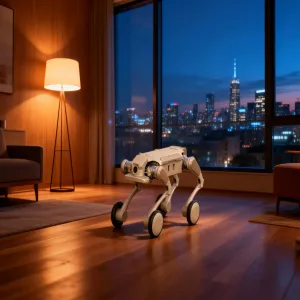
Industrial Wheeled Medium-Sized Quadruped Robot – Patrol, Logistics, and Inspection
Leur classification: Veneer DryerVues: 16Numéro:Temps de libération: 2025-12-26 15:50:27Industrial Wheeled Medium-Sized Quadruped Robot – Patrol, Logistics, and Inspection -
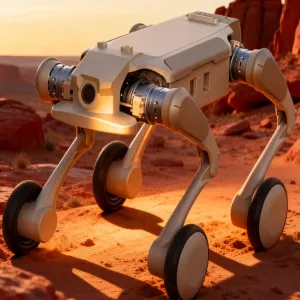
Wheeled Medium-Sized Quadruped Robot – Industrial Automation and AI Robotics Platform
Leur classification: Veneer DryerVues: 28Numéro:Temps de libération: 2025-12-26 16:33:00Wheeled Medium-Sized Quadruped Robot – Industrial Automation and AI Robotics Platform -
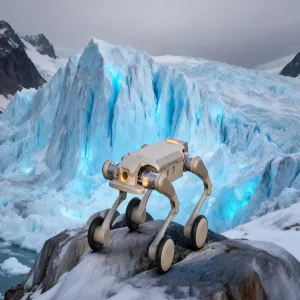
Wheeled Medium-Sized Quadruped Robot – Ruggedized for Construction Site Monitoring & Safety Patrol
Leur classification: Veneer DryerVues: 22Numéro:Temps de libération: 2025-12-26 16:40:24Wheeled Medium-Sized Quadruped Robot – Ruggedized for Construction Site Monitoring & Safety Patrol -
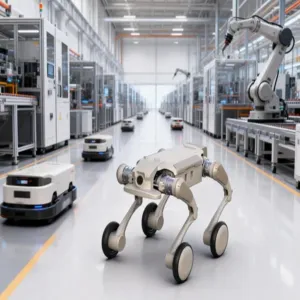
Wheeled Medium-Sized Quadruped Robot – Multifunctional Platform with Interchangeable Payload Modules
Leur classification: Veneer DryerVues: 19Numéro:Temps de libération: 2025-12-26 16:45:22Wheeled Medium-Sized Quadruped Robot – Multifunctional Platform with Interchangeable Payload Modules -
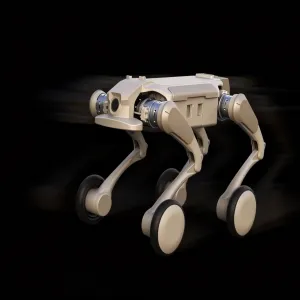
Wheeled Medium-Sized Quadruped Robot – Seamless Integration with Existing Factory Automation Systems
Leur classification: Veneer DryerVues: 19Numéro:Temps de libération: 2025-12-26 16:48:50Wheeled Medium-Sized Quadruped Robot – Seamless Integration with Existing Factory Automation Systems -
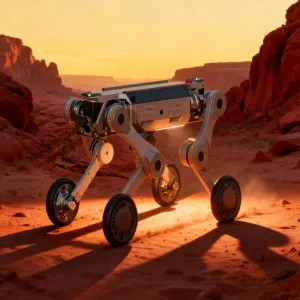
Wheeled Medium-Sized Quadruped Robot – Rapid Deployment Solution for Emergency Response Scenarios
Leur classification: Veneer DryerVues: 17Numéro:Temps de libération: 2025-12-26 17:05:11Wheeled Medium-Sized Quadruped Robot – Rapid Deployment Solution for Emergency Response Scenarios -
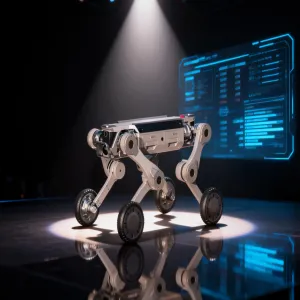
Wheeled Medium-Sized Quadruped Robot – Precision Mobile Platform for Testing & Quality Control
Leur classification: Veneer DryerVues: 12Numéro:Temps de libération: 2025-12-26 17:07:26Wheeled Medium-Sized Quadruped Robot – Precision Mobile Platform for Testing & Quality Control -
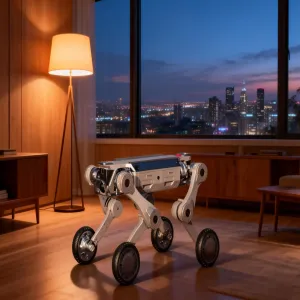
Wheeled Medium-Sized Quadruped Robot – Heavy-Duty Version for Pallet Transport and Towing
Leur classification: Veneer DryerVues: 15Numéro:Temps de libération: 2025-12-26 17:10:00Wheeled Medium-Sized Quadruped Robot – Heavy-Duty Version for Pallet Transport and Towing
Actualités
Catégorie:
-
[Company News]Wheeled Medium-Sized Quadruped Robot – Intelligent Mobility...
2025-12-26 11:40:35 -
[Company News]Medium Quadruped Robot as an Industrial Inspection Robot: Ba...
2026-01-07 17:57:25
Affaire
Catégorie:
-
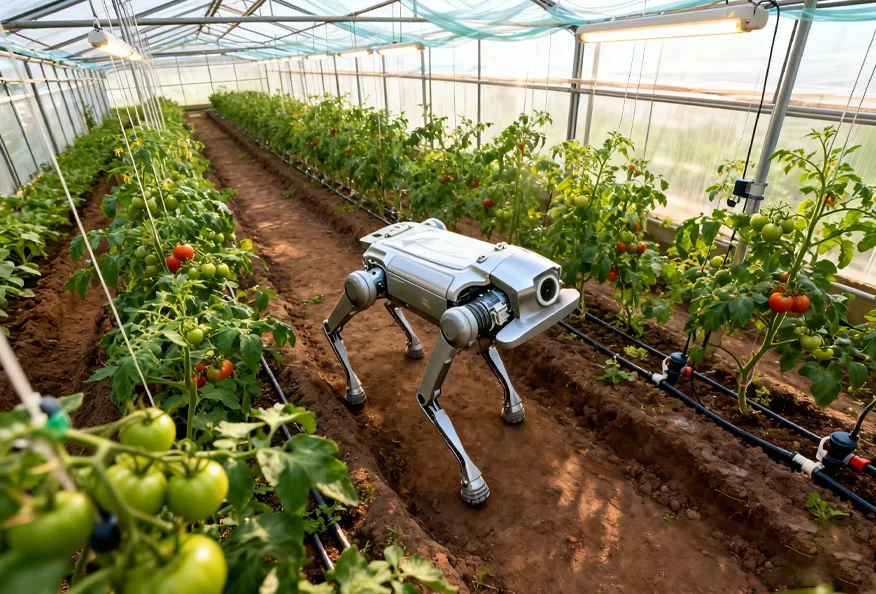
Agri-Intelli-Patrol Robot Dog:...
-
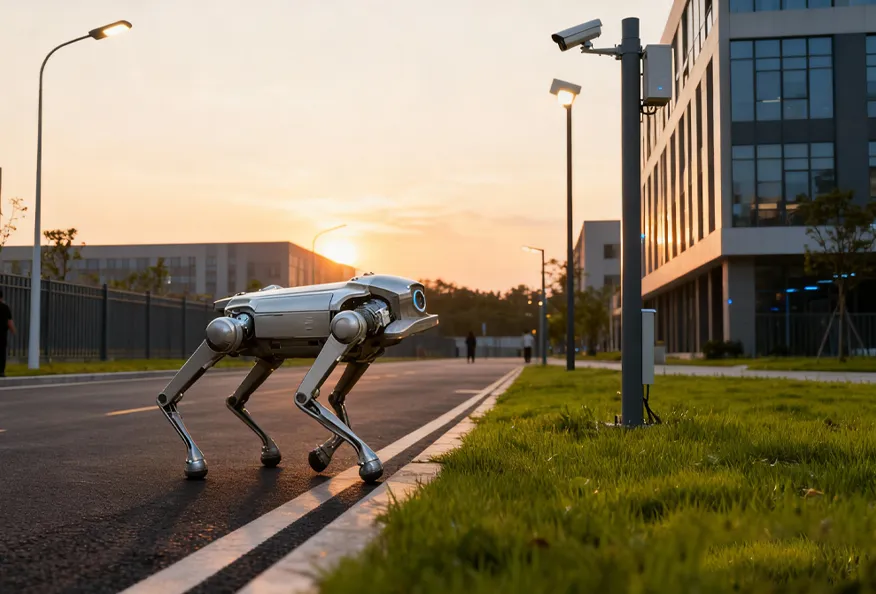
Park Intelli-Security Robot Do...
-
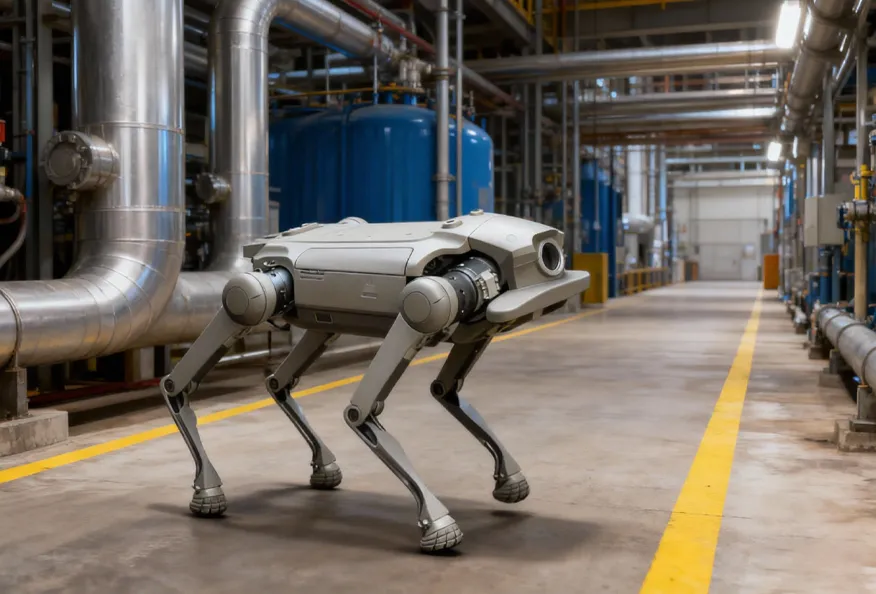
Industrial Intelli-Patrol Robo...
-

AI Multi-Modal Sensing Robot D...
Vidéo
Catégorie:
Aucun résultat de recherche!
Téléchargement
Catégorie:
Aucun résultat de recherche!
Recrutement
Catégorie:
Aucun résultat de recherche!
Produits recommandés
Aucun résultat de recherche!




 Téléphone